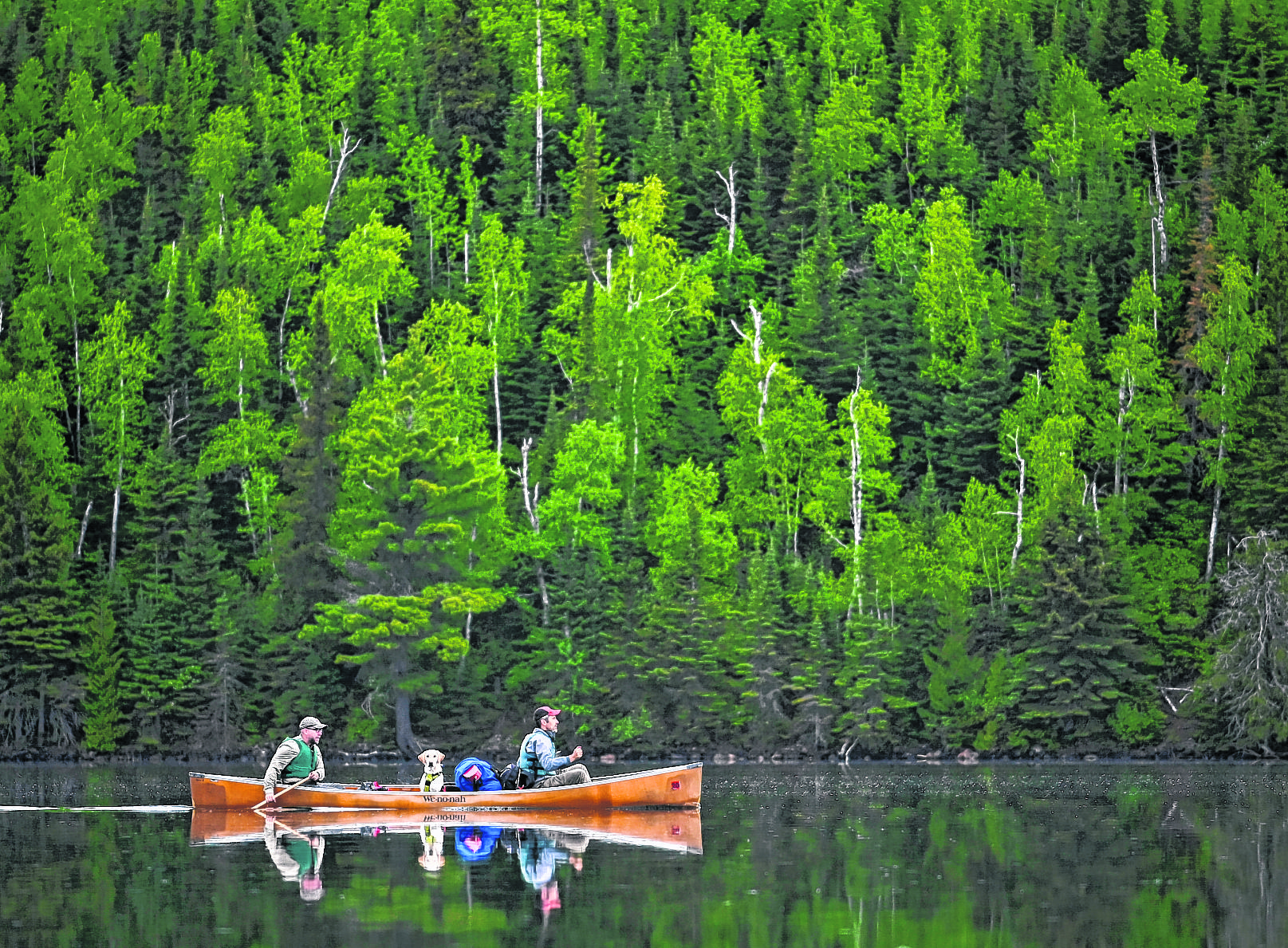



Minnesota Democrats and wilderness advocates are raising alarm about a proposal in the U.S. Senate that would allow the federal government to perform border control operations and install tactical infrastructure and surveillance systems in the Boundary Waters Canoe Area Wilderness.
The Border Lands Conservation Act, recently introduced by Republican Sen. Mike Lee of Utah, would allow the Department of Homeland Security access to federal lands, including national parks and wilderness areas, within 100 miles of the northern and southern borders.
The bill is supported by Republican Rep. Pete Stauber, whose district includes the BWCAW. Stauber criticized the administration of former President Joe Biden, which he said allowed illegal crossings that resulted in “left-behind trash, human waste, illegal trails and abandoned campfires.”
“Senator Lee’s bill will give the Department of Homeland Security the power to protect our most precious spaces, like the Boundary Waters, from similar destruction,” said Stauber, who chairs the Subcommittee on Energy and Mineral Resources in the House.
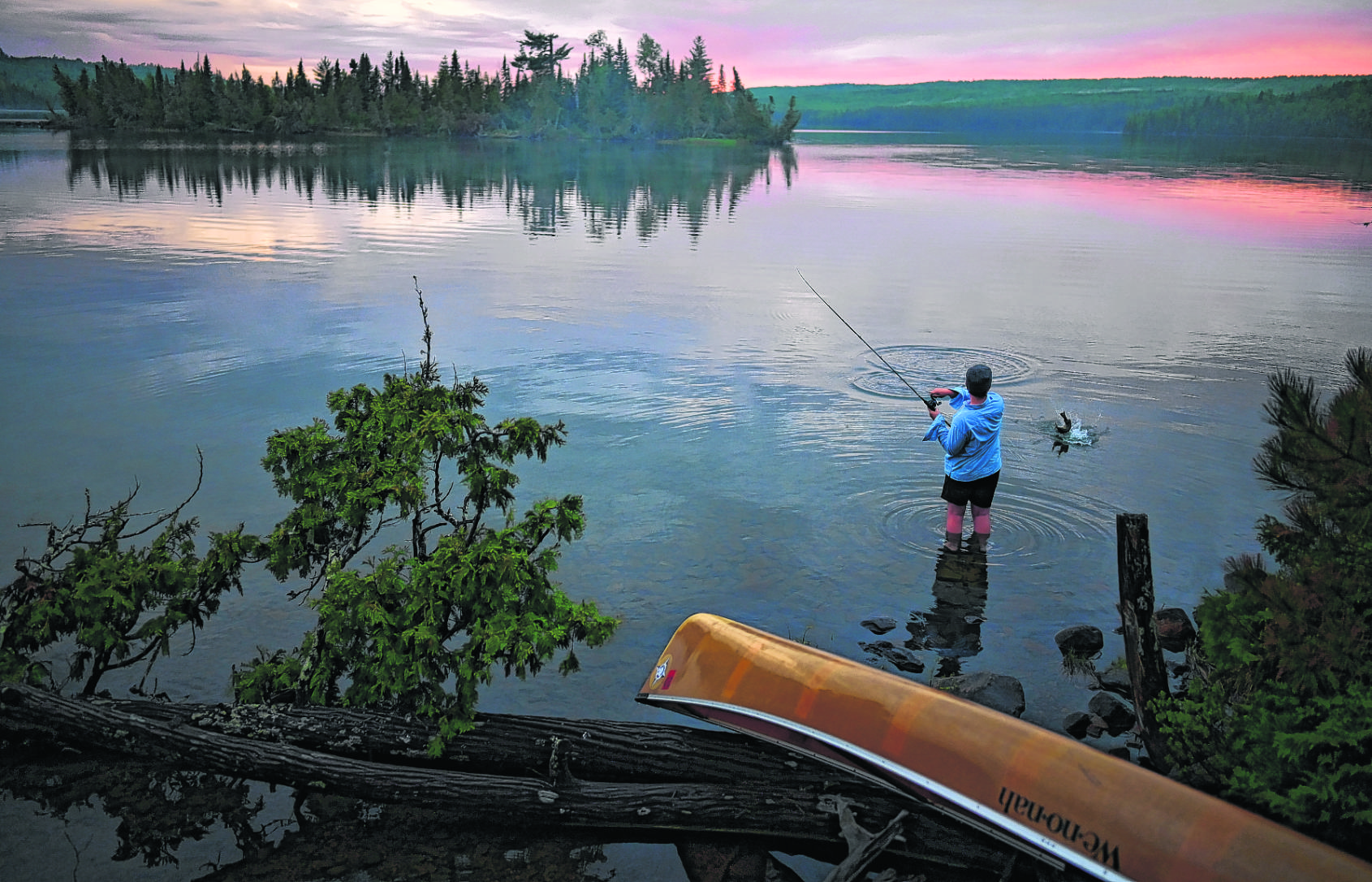
A national coalition of outdoors groups is calling it an attack on public lands, which have enjoyed federal protections for decades under the Wilderness Act. It’s the latest chapter in a yearslong clash between the two parties over preserving the Boundary Waters, a popular destination for fishing, canoeing and hiking. Stauber and other Republicans have also proposed allowing copper nickel mining near the Boundary Waters in order to boost economic opportunity and create more jobs in the region.
“It seems like it is both [Lee’s] pet project of wanting to gut the Wilderness Act or reduce public lands protections, or do away with public lands altogether,” said Pete Marshall, a spokesperson for Minnesota’s Friends of the Boundary Waters, which is part of the coalition opposing the bill.
Marshall said the bill is an overreach and undermines existing federal land managers in the departments of Interior and Agriculture. Rep. Betty McCollum, who has advocated in Congress for protecting the Boundary Waters, called the bill “reckless.”
“It would allow the Department of Homeland Security blanket permission to bulldoze, destroy and fence off our public lands so they become inaccessible to visitors,” McCollum said.
Minnesota U.S. Sens. Amy Klobuchar and Tina Smith warned the bill could drastically damage the area, which is the most-visited wilderness area in the United States.
“I oppose Senator Lee’s bill, which would allow harmful development in federal wilderness areas, while also requiring the government to waste resources that could be put to better use elsewhere,” Klobuchar said.
Smith said the bill overwrites important protections in the original Wilderness Act and vowed to “do everything in my power to fight any piece of legislation that would threaten this precious place.”
The Democrats’ stance puts them at odds with Stauber. The Republican congressman argued the bill is needed because he believes the northern border could become the next illegal immigration hot spot.
“This could become especially relevant to Minnesota because with our southern border completely closed, our northern border could become the next target for illegal immigration into the U.S.,” he said.
Environmental groups have pushed back on the idea that it would do anything to curb illegal immigration, especially at the northern U.S. border with Canada, which has seen a 99% decrease in individuals apprehended from June 2024 to August 2025, according to data from the Canadian government.
While Stauber said illegal immigrants could trash the BWCA, a Wilderness Watch spokesperson said that possibility is “very slight.” Stauber did not respond to the pushback from environmental groups.
Kevin Proescholdt, the environmental group’s conservation director, said he sees bigger threats of damage in what the bill would allow: infrastructure for vehicles and aircraft, including fences, barriers and observation areas.
Lee has shown that he is an “anti-wilderness crusader,” Proescholdt added, recalling that Lee and others tried to add language to President Donald Trump’s “Big Beautiful Bill” to sell public land in 11 western states, including Alaska. The amendment was removed.
“The [new legislation] is a very real threat,” Proescholdt said.
sydney.kashiwagi@startribune.com robert.timmons@startribune.com